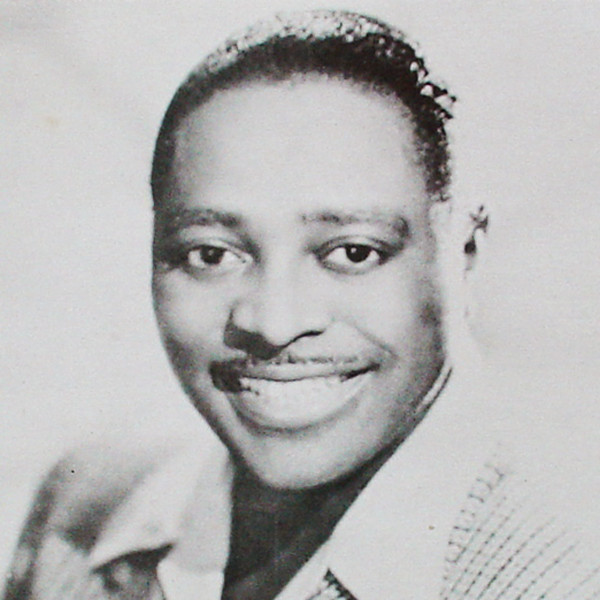
Louis Jordan
music

Sticking to the Fringes

My eight year old daughter likes the stations on the edges of satellite radio.

You know the stations at the far end of your presets that you chose, with music you like, but not the stuff you listen to all the time. The ones you usually land on when the regulars don’t have any good options.

It has become part of our morning routine for her to seek one of these out.

First, there was the affinity for the channel playing downtempo electronic and deep house. Maybe she wanted to start off her days in a relaxing way. Maybe she just needs more chill in her life.

Then there was a brief stint with Smokey Robinson’s emceed soul station.

She was bummed when they replaced 40s Junction with holiday favorites, but her jazz and standards came back.

Which leaves me in the car, after she climbs the steps onto the bus, listening to Buddy Clark and the Andrews Sisters, orchestral early Sinatra, Bing Crosby and Louis Jordan. (I am actually excited at how much Louis Jordan there is)

Some of it didn’t age well. Misguided lyrics or culturally inappropriate band names.

All of it speaks to the atmosphere of the time.

The yearning to be reunited with loved ones after the war. The desire to forget all worries in a night of dancing on the town. The hope that the one you love will return your affection.

The lyrics tell a story or hint at one just beyond the notes. Like the “great big mouse eating an onion and crying like a baby” that gave us pause in The Three Flames’ version of “Open the Door, Richard” – absurdity that’s just perfect for an eight year old’s imagination. And made me deep dive into the background of the black vaudeville skit which gave birth to the song.

It makes me dream of the dance halls of my grandmother’s youth. It makes me wonder about the artists of color who were forced to compromise their craft for crowd recognition. It makes me long for a time when the music was bigger than the artist.

What will our songs say about us?

We can only hope that eight year olds keep sticking to the fringes.

Standard
Children, Education

Education and Learning: A Mutual Understanding or Mutually Exclusive?

Believe it or not, I came home from a presentation on common-core requirements for kindergarten with a positive outlook on my child’s education.

“Surely, you jest,” you say.

No. I don’t.

The woman who facilitated the workshop, an early childhood educator with a masters in education, reminded me of the education professors I had in college, who were so excited about the learning process. Every moment was the teachable moment; every question or observation the origin of a journey they were willing to follow to its completion. It wasn’t about quantifiable results, but the complex ways in which our brains learned to work.

And this was the same thinking this presenter offered us. While children are expected to be able to name and recognize twenty letters of the alphabet upon entering kindergarten, that does not mean we should be drilling them with flashcards if they do not. Letter sounds and shapes are all around us; we can identify them on signs as we take a drive we needed to anyway. A lesson in classifying objects is as close and natural as mixing two boxes of puzzle pieces together on the floor. See the different ways your child separates them and make note of it. Basic math skills can happen at the dining table. If there are four people, but only three napkins on the table, ask your child how many more you need.

While all of these examples are seemingly ‘no-brainers’, it’s easy to lose sight of them during the course of a busy day. If we as parents are on our game, though, these are things we do innately every day. Likewise, all the insanely scripted tasks and goals of common-core are things good teachers do innately. People in charge of children with a true love of learning embed meaningful experiences into every activity.

This was what got me excited as I left that workshop. That there are still people, in the face of such crushing paper chases, who still marvel at making connections, flipping on the light bulb of learning, making that ‘a-ha’ moment happen. That is why people become teachers. That is what makes learning absolutely magical and powerful.

Unfortunately, that is not the direction in which education is moving. The hopeful feeling I had was tempered by the reality of the high stakes environment my daughter will experience upon entering school. She may not feel the pressure in kindergarten, but her teachers will and it will eventually filter down to her as she moves up in grades

I get it. We need to ensure that the millions of children across our country have an equal chance at quality education. We therefore need standardized language to articulate what that quality education will look like across the board. To assess adherence to and progress toward, we need quantifiable goals as part of this standardized language. All great ideas – in theory.

Essentially, the pie-in-the-sky learning process I described from my education classes in college was theory, too.

The future of education in America depends upon which theory will win.

Standard