under the radar
mother vs self, Write to Heal

Under the Radar

The stereotypical perfect mom, born of patriarchal standards, ironically only exists in its creators imaginations (and our tortured expectations if we let it). History, and often current attitudes, only see women when we provide an important service resulting in a desired product.

It is the needs and welfare of women, who also happen to be mothers, that go undetected.

The results of a 1933 British survey reported by Margery Spring Rice showed that the “pressures” mothers were subject to “meant their mental and physical well-being was being sacrificed.” One woman stated she felt “nervous and irritable and . . . unable to move or think coherently.”

Post-WWII tranquilizer use increased by women who “were facing a very real crisis of identity, of selfhood” after having “experienced the new responsibilities and relative freedoms of the war years” and then losing them to “the pressures of motherhood and homemaking”.

Sometimes women themselves conceal their needs under the radar.
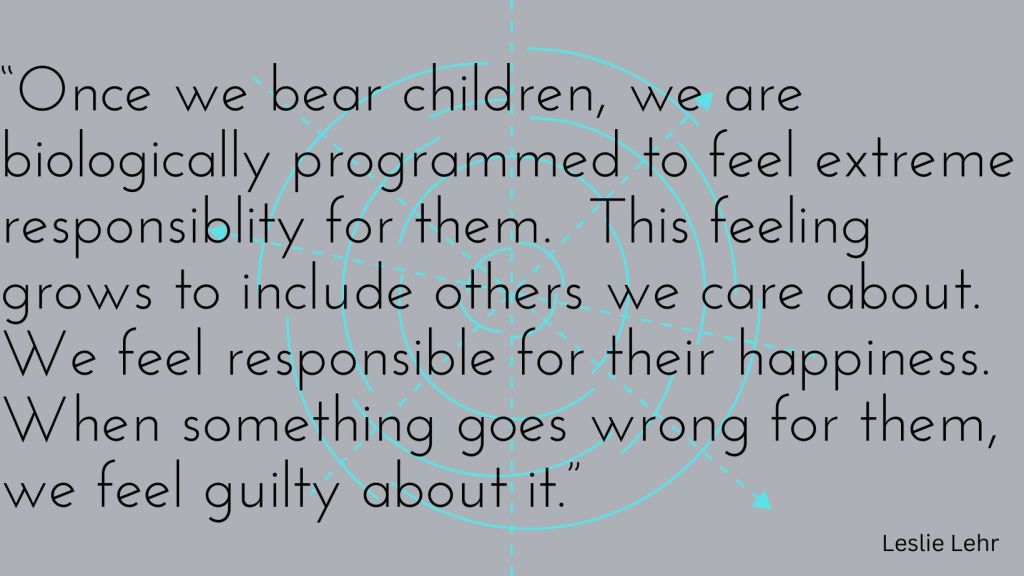
Ironically, though their personal and emotional needs go unnoticed and unmet – often exacerbated by social conditioning – women have achieved advancements in the public realm: equal opportunities in employment and pay; equal access to educational and athletic opportunities; divorce rights and domestic abuse precautions.
Unfortunately, the increase on that end has not been mirrored by an equal and opposite adjustment of the labor and responsibilities associated with mothering. Conditions in the private realm have stayed virtually the same.


Have your needs have gone undetected?

In an environment that adds rights and privileges in the name of equality without reassigning expected duties, which of your needs have slipped under the radar?

Perhaps you first need to make a thorough reflection of what your needs are. Perhaps it has been a long time since you’ve asked yourself that question. If so, start there – by listing or meditating on your needs in your notebook.

Once you’ve contemplated what you need to feel whole and well, consider circling those needs that you meet on a mostly regular basis.

Perhaps you want to pause to meditate on what meeting each of those particular needs does for you.

Now, turn to those needs that are unmet.

Consider why.

Contemplate what their lack means for you.

Pick one and plan steps to meet it . . . this week, in a month, by the end of the year.

Your needs are valid, important.

You are worthy.

They, YOU are worth the fight.
Standard
Propped Up by Patriarchy
mother vs self, Write to Heal

Propped up by Patriarchy

Where did your picture of ‘the perfect mom’ come from? What sources or sociology helped paint it? Were your ideas strictly of your own thoughts and feelings? Or influenced by someone or somewhere else?

Could it be patriarchy?

So much of what we see in our society now regarding the roles of both men and women, fathers and mothers, is based on understandings of nature, physiology, and psychology.

“The struggle to escape the restrictions of society is part of what makes progress for both women and men so challenging. Some of that struggle is caused by underlying biology. While physical strength is no longer needed to govern, big seemingly strong men typically do. That biological difference, coupled with centuries-old cultural precedent, still holds excessive influence.” Leslie Lehr

It is ‘centuries-old cultural precedent’ like those cited in the timeline that keep women stuck in such restricted roles of motherhood.

It even keeps women isolated from each other.

If we orbit in a patriarchal sphere, governed by rules created by male rulers, it is the males who reward obedience to the system. And if they judge success, it does not foster cooperation but competition amongst similar contestants.

“Female bonding is extraordinarily difficult in patriarchy: women almost inevitably turn against women because the voice of the looking glass sets them against each other.” Gilbert and Gubar

And so, does this patriarchal poison infect even the most feminine process – that of growing and giving life? Of course it does. The ‘Mommy Wars’ rage furiously, pitting women against each other in comparison and competition rather than collaboration.

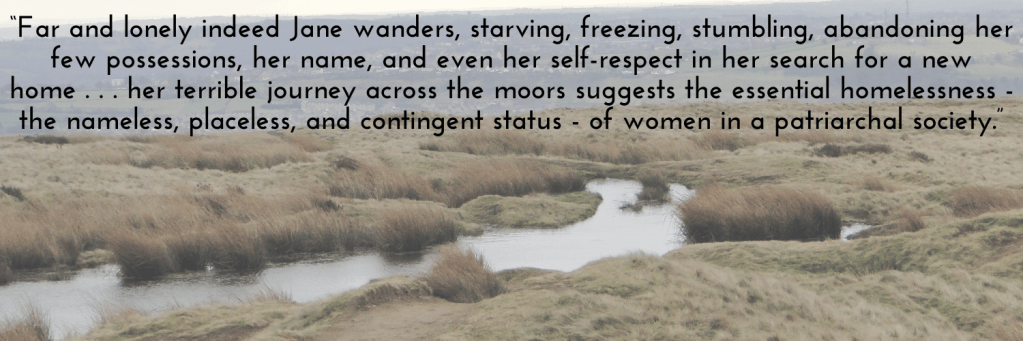
Even fictional literature addresses the isolation and rootlessness patriarchy has put upon women: case in point, Jane Eyre by Charlotte Bronte (as analyzed by Gilbert and Gubar).

Reflect upon the ideals of the perfect mother you recorded last week. From what roots of patriarchy did these come? From what male-centered or male-serving roots did those images and ideals sprout? Many of the ‘innocuous’ givens of motherhood, ones that we judge others on for adhering to or not, were born not of necessity, but some other sociological structure. Dig into those roots now and record them below. (Print the PDF if you’d like to label each root of the graphic)

Standard
perfect mom archetype
mother vs self, Write to Heal

Misguided Archetype

Much of my reading, writing, and research regarding motherhood shows either one or both sides of the juxtaposition of the expected appearance and behavior of mothers vs. the reality of, or how individual women would actually like to enact, motherhood. Women living motherhood right now often come up against this tension on a daily basis. In this module, we will explore the foundations of the fallacy of the perfect mother.

In 1941 Britain, as part of their welfare food initiatives, the Ministry of Food released this advertisement, urging women to best welcome their baby with “a beautiful body, a contented disposition and [as] a healthy, happy mother.” An actual advertisement for the “idea of maternal-health perfection”.

While this advertisement overtly exploits the idea of perfection for the sake of the offspring, it is but one block building the foundation of the misguided archetype of motherhood. Below are more contributing factors building the facade.

* above graphic inspired by information from Lehr and Cleghorn (see related reading) *

Post-war America (and Britain) in the 1950s was the fertile breeding ground for such an archetype – pun certainly intended, and some would argue socially engineered. Our soldiers were coming home, the roles that women had filled in their absence no longer went unfulfilled, and the population, affected by absence and casualties, needed boosting. Whether a Ruben-esque ploy to suggest fertility or stir soldiers’ loins, publications painted women as buxom nest-makers. A domestic intersection of motherhood, home economics, and beauty pageant.

So how did we get where we are today?

Obviously a lot happened in home life, work conditions, human rights, and legislation between then and now – and we will get into that in future modules – but history does form the basis for today’s image of the perfect mother.

What is your image of the perfect mother?

Not the standards you hold yourself to, not even the standards you feel you’re falling short of – because I assure you, you are not.

What does the term mean in today’s society and culture?

How has the illusory archetype of perfect mother been purveyed to you? Use the template below to capture words and phrases, expectations and ideals.

Standard