Living, Photography

Scenes from a Bumper Crop – September 16

As our closing date and the harvest approached last year, a sadness settled in.  I would be leaving my garden before it came to fruition.  We’d enlarged it the spring before we left, adding more and different plants.  Carrots, green onions, cucumbers.  At least my herbs would travel well in pots that could go from a home beside one backdoor to another.

But, I realized, the woman leaving this house probably packed a similar burden amidst her belongings.  She’d left a vegetable garden even larger than our new and improved one.  Hot peppers guarded the perimeter, mixed greens and a lone acorn squash hunkered down inside.  A boatload of parsley and a few tomatoes.  Though it was the tail-end of the season, we were able to reap the benefits of her labor the same way the man and woman who bought our house would ours.

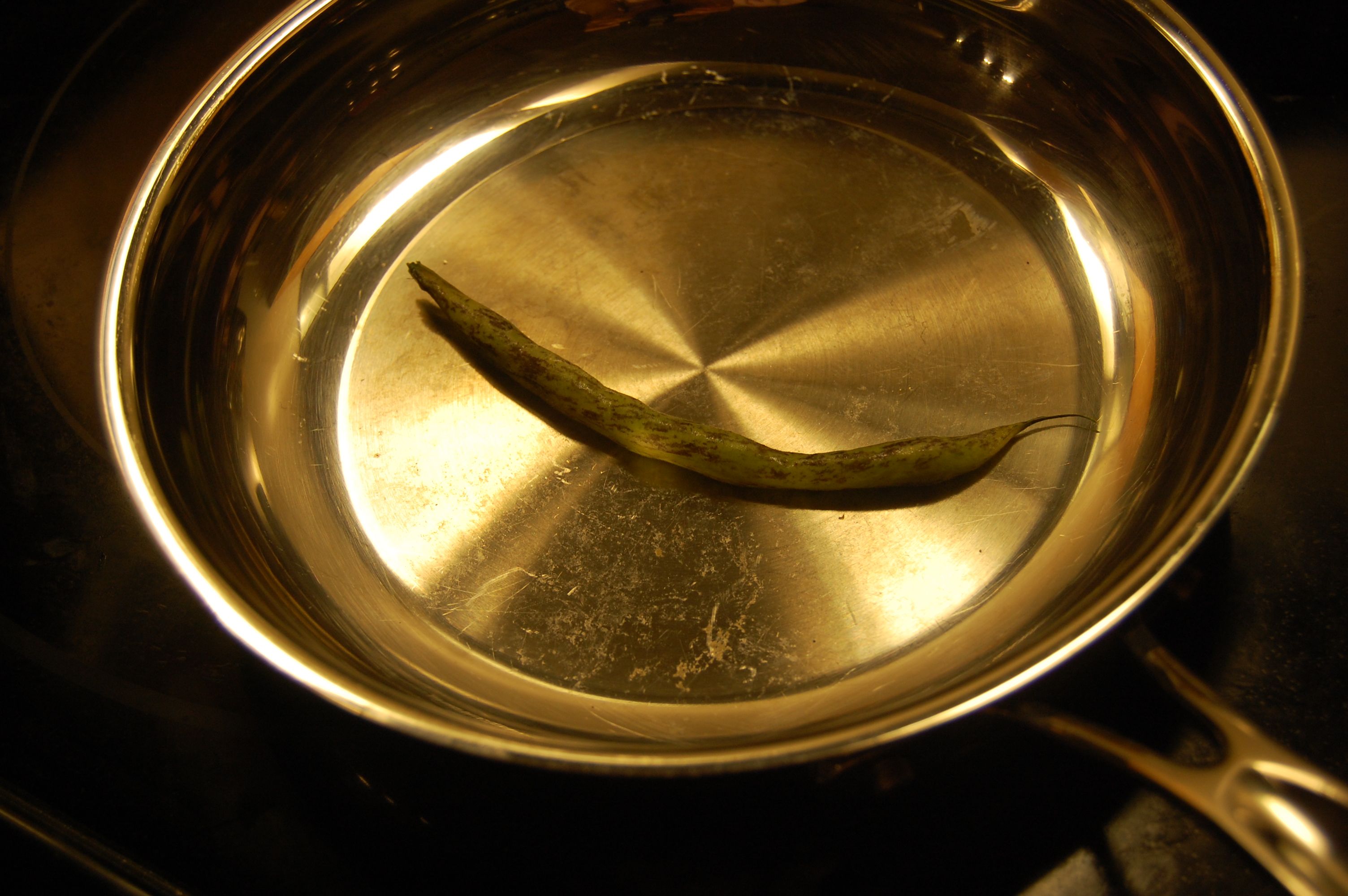
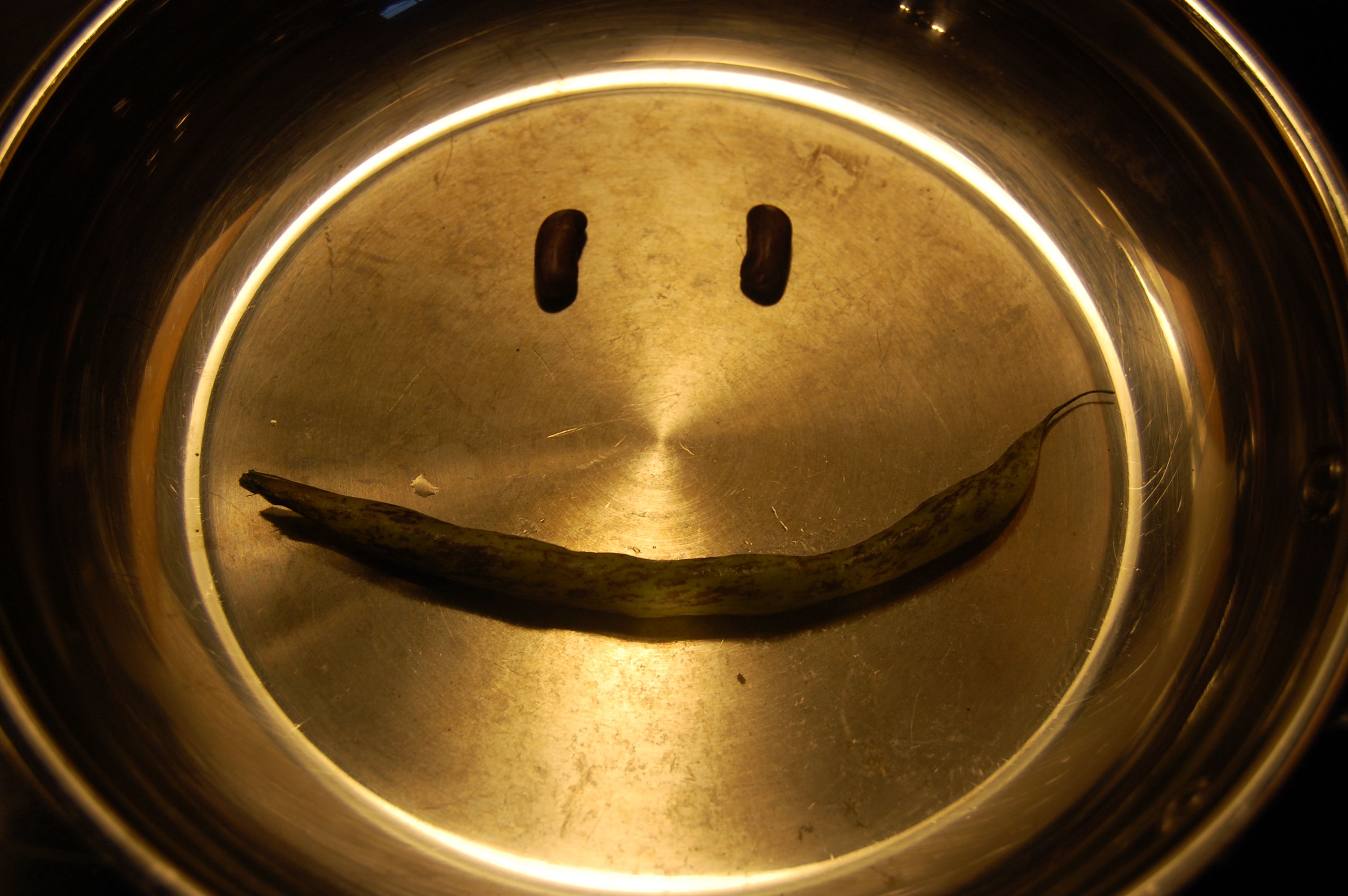
I am not as adventurous a cultivator as the previous occupant.  Nor as zealous a waterer apparently.  And I don’t fertilize.  BUT we’re still eating fresh green beans and have cucumbers coming out of our ears.  I tried to capture the beautiful purple pattern of a lone green bean as I prepped dinner.  Then I broke out a few beans with the idea that I’d dry them as seed for next year.  That’s when things got crazy 🙂

Hey, why garden if it’s not fun!

Mmm, mmm, green (and purple)

Mmm, mmm, green (and purple)

Have a green day!

Have a green day!

Standard
Depression, Mental Health, Uncategorized

The Advantages of Having Depression

Wow. Great treatment of depression, humor, and how it all ties together.

A Manic World's avatarA Manic World

Author: Humans Are Weird

tumblr_m8d55kMekw1rpcsjko1_r1_500

Depression isn’t a thing that people ever yearn for, or wish to acquire.

Those who experience this malevolent juggernaut of a psychosis don’t have “depression appreciation” days. We don’t congregate in throngs to throw our sad hands up in the air and praise depression’s forlorn overlord.

Nope. Depression’s the sort of thing that people usually despise. It’s an emotion, a train of thought, a feeling – a self-destructive entity living inside of us – that we, the Depressos, wish would leave us alone, and never return.

It’s abusive. It makes us hurt. It makes us cry. It tells us that we’re worthless. It smells funny. And ultimately, its happiness is contingent on our misery.

But today, I thought I’d do something a little bit different. Instead of poo-pooing depression, and all that it encompasses, I thought I’d outline the benefits that live inside of depression’s hapless…

View original post 743 more words

Standard
Children, Living, Photography

Scene from September 14

The first time we viewed this house, our realtor said she could picture our girls climbing all over this boulder on the property.  Mere seconds later, their little bodies ranged all over it.  She apologized for jinxing us!  After removing several trees from the yard and only recently removing the leftover wood, the girls rediscovered it and, today, turned it into their canvas.  Remembering that first day and seeing how they’ve made it their own, I can’t help but see the cyclical quality of this year’s passage and how our little corner of the world becomes home.

Calcium carbonate comes home

Calcium carbonate comes home

Standard
Living, Photography

Non-superstitious Scenes from September 13

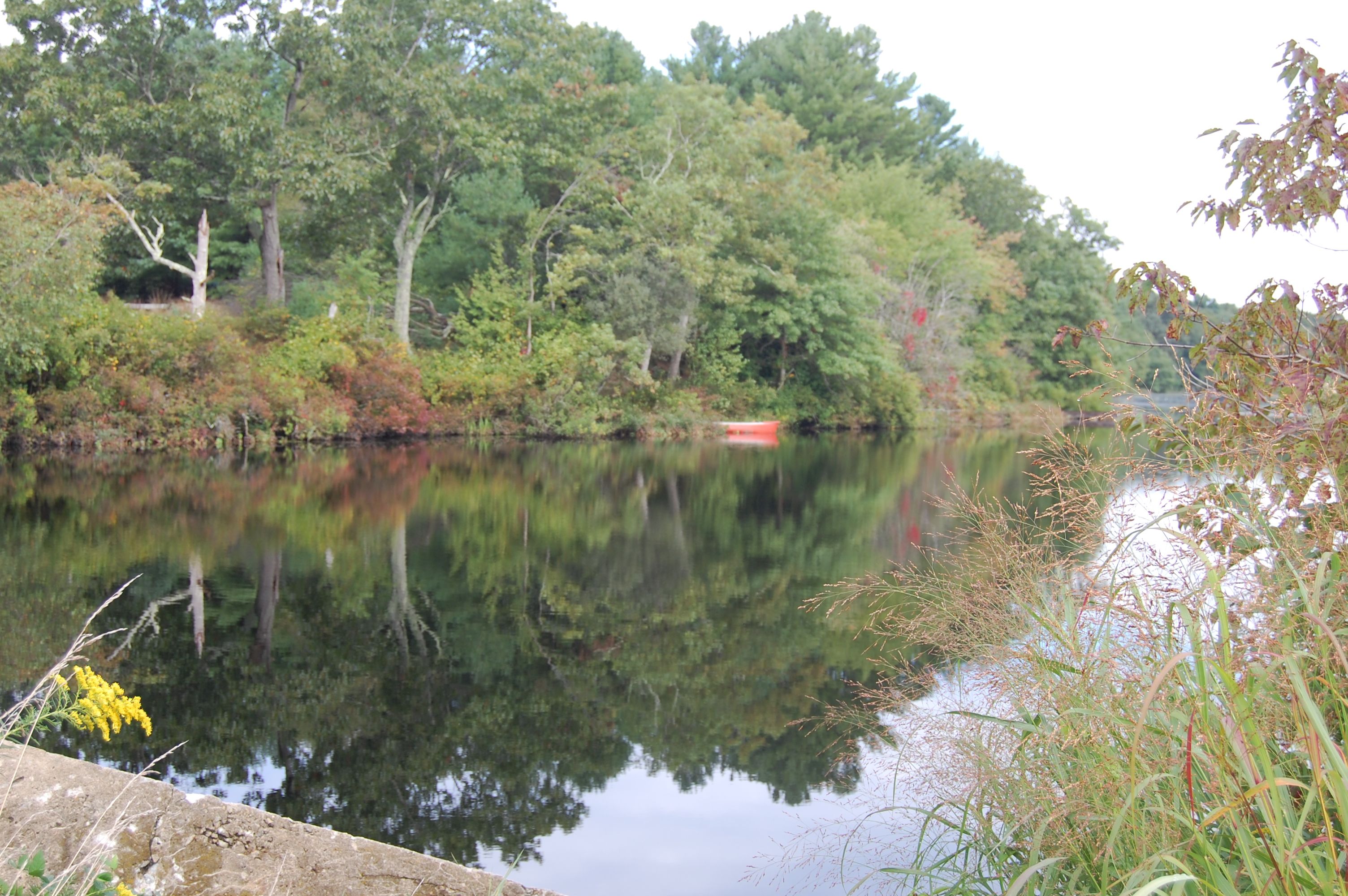
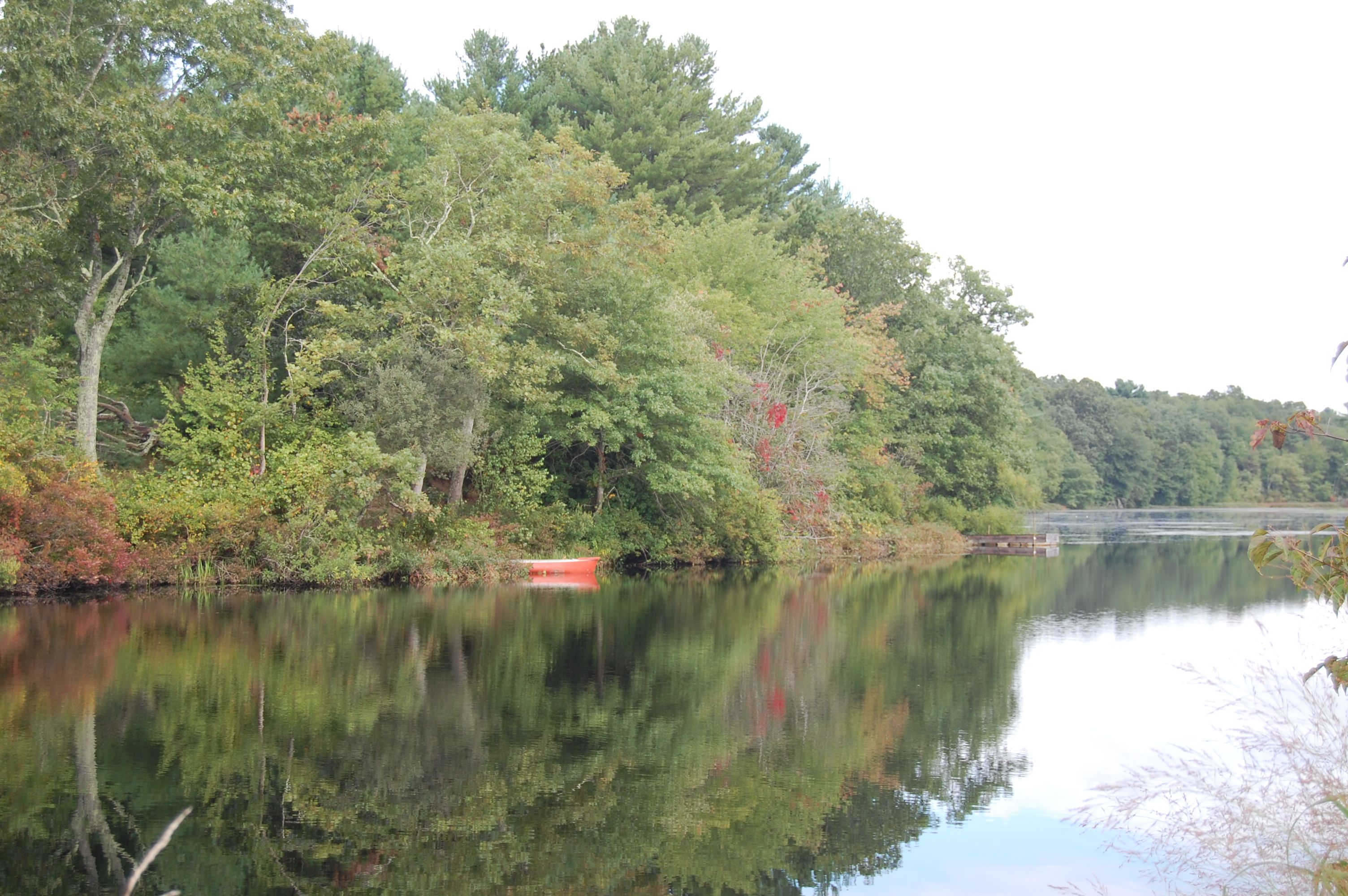
I set out on an errand with no particular subject in mind for today’s photos, but camera safely stowed in the passenger seat.  Then I spied this scene on the side of the road.

I couldn't decide between this shot, wild grasses and golden rod framing it out . . .

I couldn’t decide between this shot, wild grasses and golden rod framing it out . . .

Or this one with the focus on the reds and reflections.

Or this one with the focus on the reds and reflections.


Standard
Children, Literacy

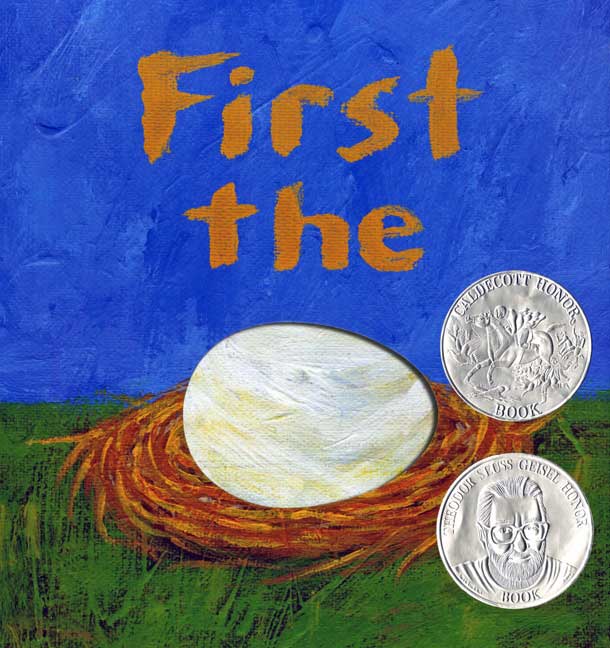
First the Egg

My newly minted six year-old, about to enter first grade, chose this book from the bins at the library.

9781596432727

I often wonder at her book selection process, as it seems to be hunt and peck, plucking a book after rifling through just a few.  Maybe something about the cover piques her interest, sometimes it’s one I later find out she’d read with her beloved kindergarten teacher – once, it was because it had the country Swaziland in the title, whose name sent her into peals of laughter the first time she heard it pronounced (no disrespect, Swaziland).  But most times, it seems she chooses a book simply because it seems as good as any other, with a shrug, an impatience with the process.

Whatever her motivation, First the Egg was a great choice.

Starting with a spin on the proverbial question of origin, First the Egg introduces and reinforces many important literacy skills.

Cause and effect, Sequencing, Prediction, Sight words/recognition for emerging/early readers, Parts of a Whole.

Graphically, it is a treat.  Cut-outs on each page hint at what comes next, further reinforcing prediction skills and creating excitement, anticipation for young readers.  Sequencing and staging of processes is reinforced as well, for on every ‘then’ page, there is an illustration in the middle of the phase.  For example, the egg hatching before the chicken appears on its own page.  My favorite, of course, is the Word > Story series.  So exciting to see all that typeface take shape into a story.

And my six year-old isn’t the only one who can read it.  My three year-old, after hearing it a few times from her sister, started “reading” it.  It most likely was memorization and parroting, but I can’t help but feel that she’s starting to put those patterns together.

Ironically, when I took a break from writing this post, my daughter told me that she had, indeed, read this in kindergarten.  So she may not be as brilliant as I thought in picking out this book, but maybe her teacher is!  And at least the lessons stuck with her.  Most importantly, the joy of a good book.

Standard
Living, Photography

Scenes from September 12

We all grow mold and mildew the longer we hang around so I guess today’s subject is appropo for my birthday.  But my daughter did say the fungi issuing from the sides of this tree were fairy steps.  Perhaps I also can inspire imagination and delight on some level.  I’ll have to keep that in mind when I blow out my candles.

You say fungi, I say fairy steps

You say fungi, I say fairy steps

shroom closeup

Standard
Living, Photography

Scenes from September 11

I had some quiet moments by myself as the sun set this evening.  A somber day, but the calls of playing children wafted in on the wind.  A sliver of moon rose above the trees.  The quiet thrum of life buzzed all around.

Long may she wave . . .

Long may she wave . . .

Knowledge is power no matter the time or place

Knowledge is power no matter the time or place

Wisdom stands sentinel

Wisdom stands sentinel

After each dusk, comes a dawn

After each dusk, comes a dawn


Standard
Living, Photography

Scenes in a Westerly Direction – September 10

On a rare morning on which my husband and I found ourselves alone (as he put it: all three of our children in school = mind blown), we traveled to a nearby town for a supremely delicious and grossly oversized breakfast.  After which, we took a stroll in the park.  How provincial of us.  Certainly a change of pace.

So many secret paths and warrens

So many secret paths and warrens

How many bees can you find?

How many bees can you find?

Love this

Love this

A step back in time?

A step back in time?

Ironically not right on the shore

Ironically not right on the shore


Standard
Children, Identity, motherhood, parenting

On Her Way

My daughter has reached the age at which I formed a consciousness.

We all have snippets of early childhood, maybe even earlier; bits and pieces of memory.  Sitting on grandfather’s lap to create a painting.  Banging on the ledge above the backseat because you couldn’t sit quietly in mass.  How much is real memory, spotty because of time elapsed, and how much is fabricated from photographs and family story?  And when does the real narrative begin?

I remember all of third grade.

I remember playing at friends’ houses, sleepovers, sitting under a desk goofing with a classmate.  That is the year I think of as starting true friendships and forming my own separate identity (though I didn’t know it at the time).  That is the year my eldest daughter has just begun.

Four days into school and she asked for her first ‘play date’, though I’m sure that term has fallen out of fashion with her set.  She and her friend had already arranged it on their bus ride home one afternoon; it was just up to the adults to assent once they’d filled us in.  She’d had her first sleepover at this girl’s house last year (her one and only thus far save relatives’ houses and no – I wasn’t ready for that), played there once this summer, and gone to the beach with her once.  This was the friend’s first time at our home.

I later realized that I adopted the always-appreciated (on my part) mode of parental supervision my mother employed whenever I had friends over growing up.  There, but not.  Seen, but not noticed.  Moving through, not hovering.  Accessible, but not in your face.  My mom always joined the conversation when drawn in – and usually made some fun comment – but never horned in.  She always made sure we were safe and having fun, but in such a way that made us still feel like we were on our own.  Similar to my mode of relating to young children, which I think I also adopted from my mother: let them come to you when they’re comfortable; don’t force yourself on them.

As my daughter and her friend’s conversation floated in from the adjacent room and later the porch window, I heard the exchanges and tenor of my own third grade days; the way kids talk when there are no adults around, the free and easy language and grown-up cadences because they are the big kahunas with no one else around.  My daughter introduced her friend to her way of life on her own turf; her likes and dislikes, her favorite activities and special belongings.  Her friend got to see how she interacts with her sisters and me and my husband.  She welcomed her into her home, her nest, a secret club of sorts – a level of friendship that can’t be reached at school.

A level of friendship that can’t be reached, I don’t think, until this age, this magic number where our little kids morph even more into distinct little beings.

My daughter and her friend played so nicely.  They were polite.  My daughter didn’t even goad her friend to join her in tormenting her little sisters.  But I sense the shift.  One more step in her leaving the home, one more layer of my baby shed.

I know – not because I’ve mothered a child this age before, but because I’ve been this age before.  I remember it as formative, solid memories in my experience.

She’s on her way.

Standard