Racism

The Madness of Post-Racism

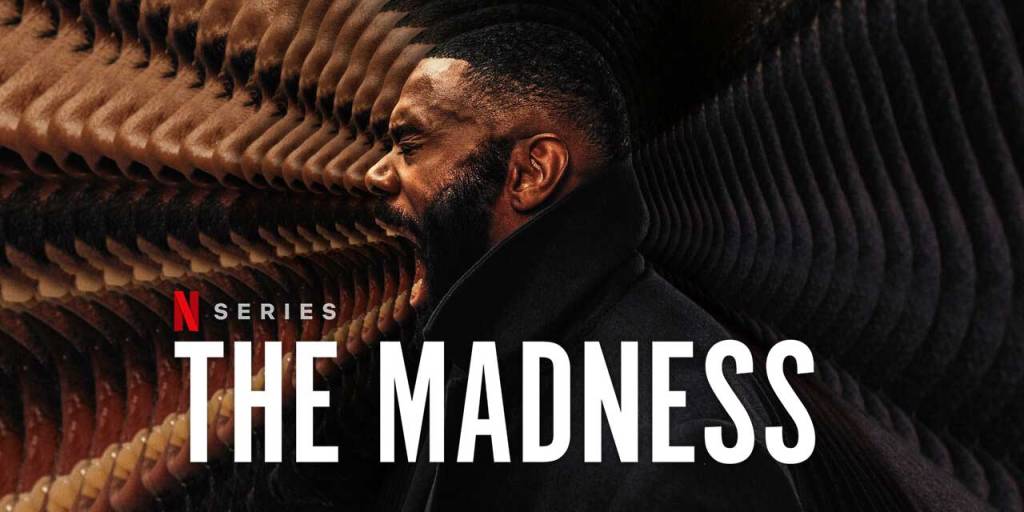
The Madness Coleman Domingo Netflix

The election of Barack Obama signaled the dawn of post-racism in America. 

And yet here we are, sixteen years later, in the murky half-light of a sun that just can’t break through the clouds. 

Series like The Madness, recently released on Netflix, reflect this atmosphere our nation finds itself in. 

Woke enough to see stories of personal growth fighting alongside and against systemic racism.

Enlightened enough to document and criticize constructs that oppress and limit. 

Yet realistic enough that Muncie Daniels’ living nightmare seems very much a possibility. 

Growing up white in the last few decades of America, fictional TV did (and would) not offer the true experience of people of color.  Eric Estrada offered a palatable Hispanic citizen as an officer of the law.  Robert Guillaume spoke a perfect King’s English as he politely answered the door.  Hollywood very much curated the vision of people of color.  If we did see the struggle of their experience, we certainly didn’t blame ourselves for it. 

We decided we wanted to have as many Black characters as possible in the show. Part of what I think we did in the show, and I think is really cool, is that this is a show anyone can watch and enjoy, and we are treating our Black characters, our primarily Black cast, like most shows treat white characters. They can just be people. They can be themselves because they’re not one of the two Black people in the show [and] have to represent all Black people. They can just be people. 

VJ Boyd, co-showrunner The Madness in The Hollywood Reporter

In The Madness, Muncie Daniels’ struggle is very real.  He must balance internal conflict with the outside forces that threaten to destroy him. 

Muncie Daniels’ situation is amplified and magnified for dramatic effect, but the frustration and helplessness that he feels very early on – in conversation with Kwesi (even before he’s forced to drop his case) and especially in the interrogation room with Philadelphia police – are palpable.  They are meant to be and feel outsized here because often the constructs racism has erected are unscalable.  A person of color may not find himself at the center of a conspiracy master plot, but the exaggerated elicited emotions here serve to prove the effect in any situation where personal actions and the truth don’t necessarily enter into the equation. 

The generational experience also weaves a meaningful thread through this story.  Muncie is haunted by the ghost of his father’s actions.  Isiah, while somewhat of a father figure, also reminds Muncie of his resemblance to his father’s flaws.  Demetrius corrects his father on the terminology of his generation when Muncie tries to say D’s friend lives in the projects.  And while Kallie is also Muncie’s offspring, she is just older than Demetrius to offer a sage outlook on his performance as a father and what his actions and attendance say about him.  The many ages and stages of living in the racial state that each generation did are well represented and contrasted.  The interactions between generations do well to represent the influence and evolution of experience. 

It is refreshing to see a mainstream series accurately reflect what has survived the ‘post-racism’ movement of America.  Unfortunately, there is always another Rodney Kraintz, as he himself posits to Muncie in the final scenes.  There is always a larger, more powerful, and insidious construct pulling the strings behind the scenes. 

Our nation has ticked the needle to a vibration just high enough to reflect the struggle and validate the experience – but not enough to dismantle the attitudes and oppression. 

Great change always begins with the artistic vision and lens, but how do we, as individuals and a nation, change the unjust reality people of color face in our nation?   

We can start by exposing the madness for what it is and not allowing it to activate the madness within us. 


As always, any social commentary of racism and its wide-reaching effects made in this blog are made with full acknowledgment of the fact that they are through the lens of my whiteness. 

Related:
‘The Madness’ Star Colman Domingo Talks Triggering Parallels and Why He Wants a Season 2

Standard
Racism, Weekend Write-Off

Narrative War

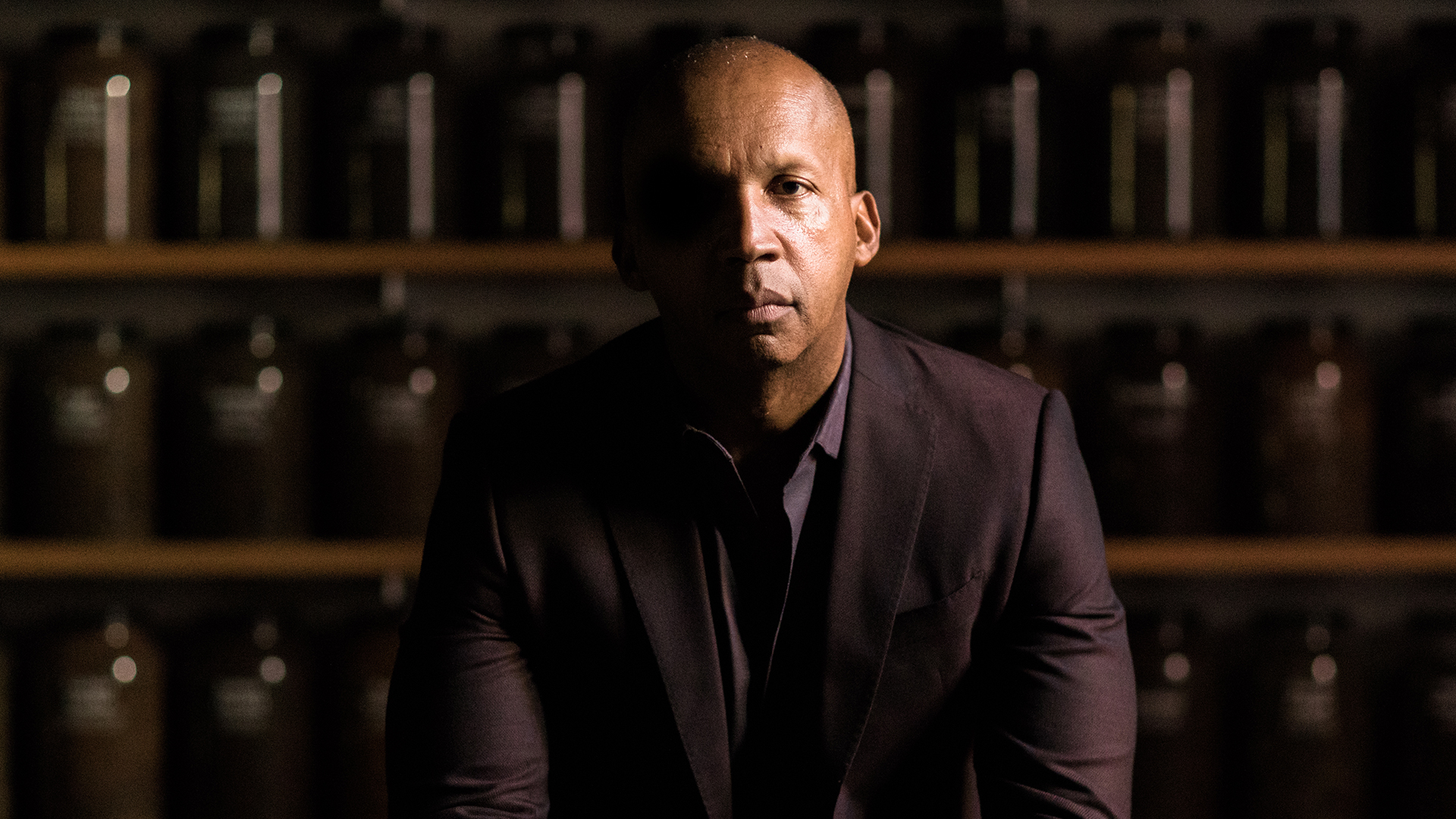
My imagination was captured by Bryan Stevenson’s work and ideas once I read his book, Just Mercy: A Story of Justice and Redemption.  I was thrilled when HBO developed a documentary following his story.  Fortunately, I was able to view it free of charge on their website (limited time, of course).  I stayed up till the wee hours the other night, watching it once the kids were finally in bed, sobbing in silence on the couch.  The stories Stevenson tells of his people, of the people wronged by this nation are so raw and real and ones, as he says, that must be told if any sort of healing and progress is to be made in our country and society.

Two quotes that hit me over the head:

In many ways, you can say that the North won the Civil War, but the South won the narrative war.  If the urgent narrative that we’re trying to deal with in this country is a narrative of racial difference, the narrative that we have to overcome is a narrative of white supremacy – the South prevailed.


The Civil Rights community won the legal battle, but the narrative battle was won by people who were allowed to hold onto this view that there are differences between people who are black and people who are white.


bryan-02-1920

Click here to watch the trailer:

Standard
Perspective, Racism

A Sense of Place – and Race

When planning a trip to the shore, one usually worries about which towels to bring, bathing suits, sunscreen.

I did.

I thought of all the fun we’d have.

I also thought of what was outside the idyllic beach town to which we were headed.

See, we were headed south.

Where the weather is warm and the palm trees sway easily, but there is an undercurrent of racial tension that never went away and now pulls taut and bursts at the seams.

I didn’t want to bring my children to the whitest part of town and let them think these were the only faces that made up the fabric of place. This place. That this place, its history was all sunshine and roses – everywhere, for everyone.

Unable to curb the [English] teacher genes in me – no matter how many years remove me from the classroom – I dug up book lists, fiction and nonfiction, free verse and narrative, poetry and expository, picture book and novel, to give my girls a sense of this place to which we were going. Graeme Seabrook, a fellow Warrior Mom, posted Sara Makeba’s blog about her experience as an interpretive guide at a plantation that actually tells the story of the slaves’ experience. That became a destination and informed book choices for my girls to prepare them. I happened upon the online teacher’s guide of African American Historic Places in South Carolina. I read article after article. I planned discussions to have with my girls.

A week out from our trip, Charlottesville happened.

I’m not naïve enough to think that all the ugliness of our racial story is in the past. In my thankfully expanding circle, online and real world, it becomes ever clearer that, overt or insidious, racism is and has been alive and well. But in my bubble of privilege, I was still insulated from it.

As much as I wanted to open my children’s eyes to the injustices around us, my husband and I actually discussed revising our route to stay clear of Charlottesville in our drive south. How lucky, how privileged we were to be able to make that choice. It is my duty as a parent to keep my babies safe, but time and circumstance shouldn’t preclude all parents from having that choice.

I was headed back to the history of today’s problems, but still didn’t have a sense of the ‘unbending line’ between the two until our guide at the plantation finished his interpretation. He pointed to the rows of Sea Island cotton growing behind us, to the shore far behind the trees where slaves were expected to dig and drag mud to fertilize the soil, to the barn where they would’ve tended livestock, to the places they’ve would’ve picked seeds from cotton and jumped down into a huge sack of it to tamp it down. He described how nearly the very same jobs were expected of them as tenant farmers and share croppers. How ‘freedmen’ could be arrested for vagrancy while looking for jobs for which no one would hire them and then have a criminal record which would preclude their freedom. To the subpar education that followed even desegregation. To racial profiling. To white supremacy come full circle.

I approached him afterward with tears in my eyes and thanked him for speaking the truth. That it isn’t all history – even if some people think it is. That my friends are scared for their babies. He said he is, too; that he checks his friends’ tail lights before they leave meetings at night so they won’t have the chance of being the next statistic.

After the tour, my ten year-old daughter told me she understood all he said, but didn’t know what to say about it. I thought that was about the wisest thing she could have said.

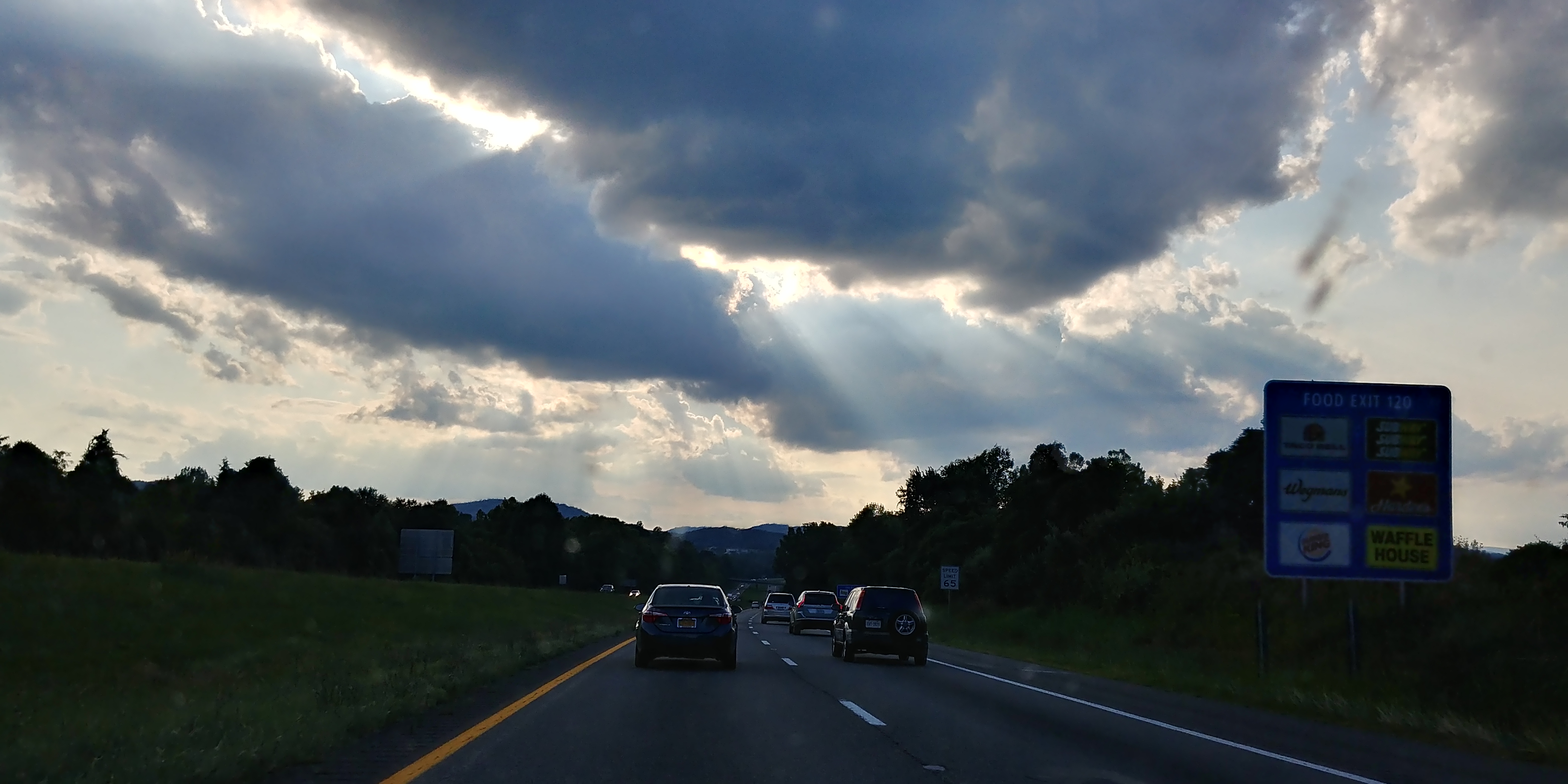
On our way home, our highway route took us through Charlottesville. There was no sign of the violence two weeks earlier. In fact, the sun filtered through the clouds in an unworldly way. I hoped that meant God’s protective and healing powers were also shining down.

And yet, as I looked at those gorgeous green hills, I no longer saw just the beauty.   I saw the evil beneath the surface. Just like the palms and oak allees in the miles behind us, the natural beauty was tempered by the horror that took place right alongside it, within it.

I will never be able to unsee it.

It makes my heart ache for the injustice – and for the easy ignorance I’ll never regain.

But it’s a pain that people of color have been feeling and keep feeling everyday. With no choice. No chance to look away or deviate route.

Where I was born and the skin I’m in have given me the opportunity to not even realize there were atrocities happening all around us in the name of race. Without even realizing it, I’ve committed wrongs. I thought simply by giving my family a sense of the place to which we were travelling, I was helping us not to come in and exploit the area and people, but we were still privileged tourists – albeit sensitive ones, but tourists just the same. We drove through Charlottesville, but we continued on home where I can let my girls roam our street without fear of accosting or questioning. Where neighbors and even strangers won’t think they’re too loud, too much, too dangerous. Where I can sit behind the safety of my laptop and think this post will do anything to change anything.

Like my ten year-old daughter, I understand, but don’t know what to say.

20170826_181442_HDR

Driving through Charlottesville, August 2017, Jennifer Butler Basile

Standard