

In March 2020, the Atlantic proclaimed COVID-19 a ‘disaster for feminism’.
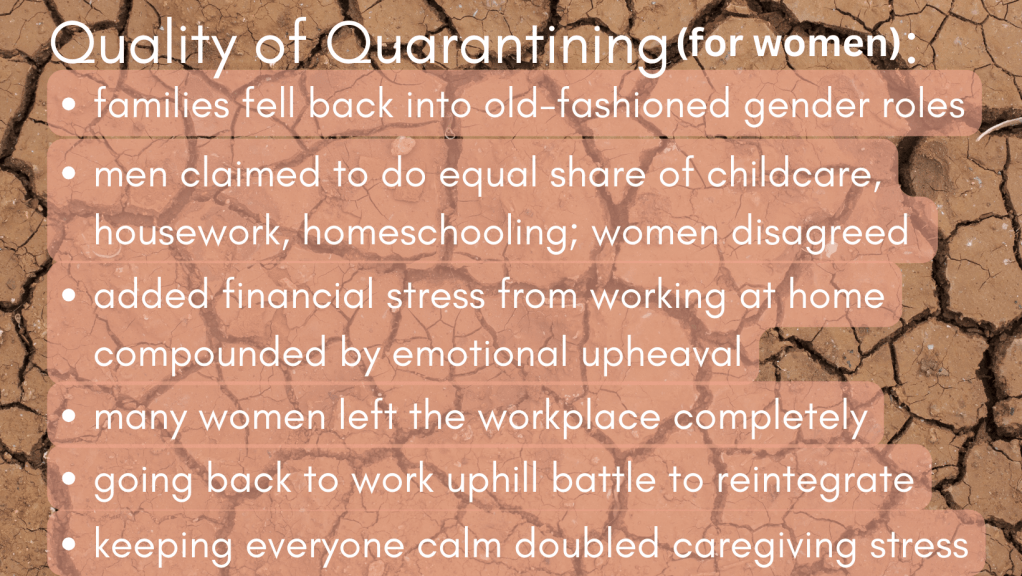
Most of the added labor created by dining rooms turned into classrooms and kitchens into childcare centers fell to women – not because they were the sole caregiver, but due to . . . outdated gender norms? And the added stress of overseeing remote learning brought into stark relief not only the difficulty of teaching, but our nation’s exploitation of school systems as childcare. It emphasized the lack of actual options mothers had. Pandemic conditions also exacerbated the fact that women especially don’t have jobs that support or flex with parenthood.
9 out of 10 working mothers said their mental health had been negatively affected by school closures
2021 TUC survey
A sobering realization, becoming increasingly clear to me, is that . . .
Bridging the gap, between where our support systems are currently and where we women need them to be, will only ever occur when women, likely mothers, force the movement themselves.
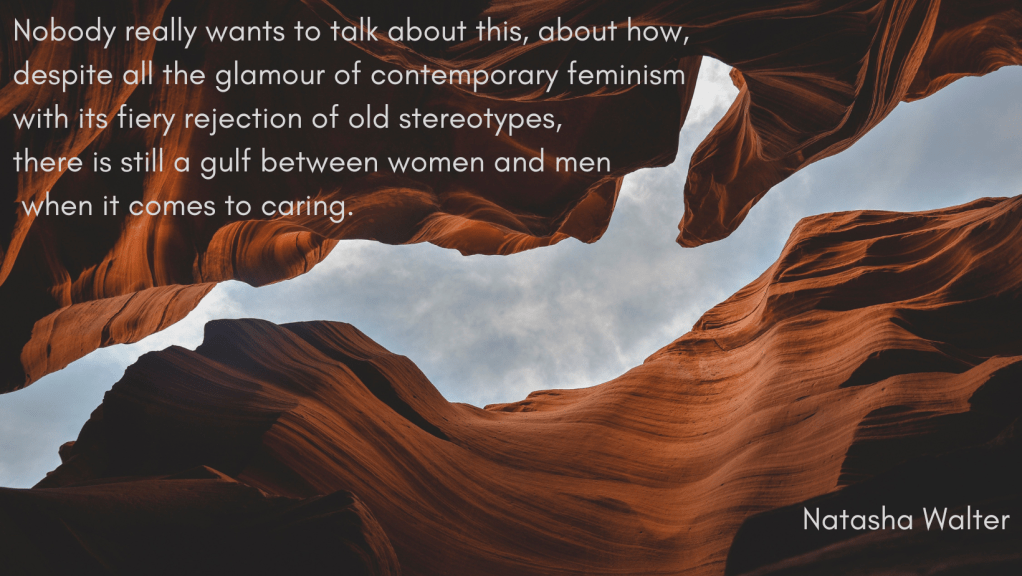
You don’t get any fame or followers these days for banging on about the second shift or the feminine mystique, so who wants to be associated with that kind of feminism today?
Natasha Walker
And why not? It obviously still needs to be talked about. My college freshman’s philosophy final had an essay prompt discussing Simone de Beauvoir and it startled me to see how misguided her interpretation may have been! (I didn’t push the issue because I wasn’t going to reteach an entire semester’s worth in the swiftly closing window she had to complete her essay)
Many young women I have spoken to seem to consider ‘feminism’ as a dirty word. Because they feel its usefulness has been worn out? Because they don’t agree with all tenets of every sub-movement? Because they don’t hate men?
The belief that women deserve equal opportunities and specialized options tailored to their current situations and leveled up as conditions equalize – is not a dirty idea, movement, or revolution at all.
COVID exacerbated a lot of what was already there. Now we all need to recover.
COVID Confidential
What was your COVID experience like?
- Were you working? Did your employment situation remain the same or change? How?
- What was home life like?
- Were your children involved in an educational program? What did that entail for you?
- What fears did you have?
- Were there any positives about lockdown/pandemic? For you? For work? Family?
- What did COVID shine a spotlight on that did NOT work about your life – either something that changed for the better or something that got so bad it really stood out?
- Did your experience highlight any systems that were failed or broken in your life?
- Is it possible to brainstorm ideas for how those might be improved if they still affect you?
 Chopping Potatoes